







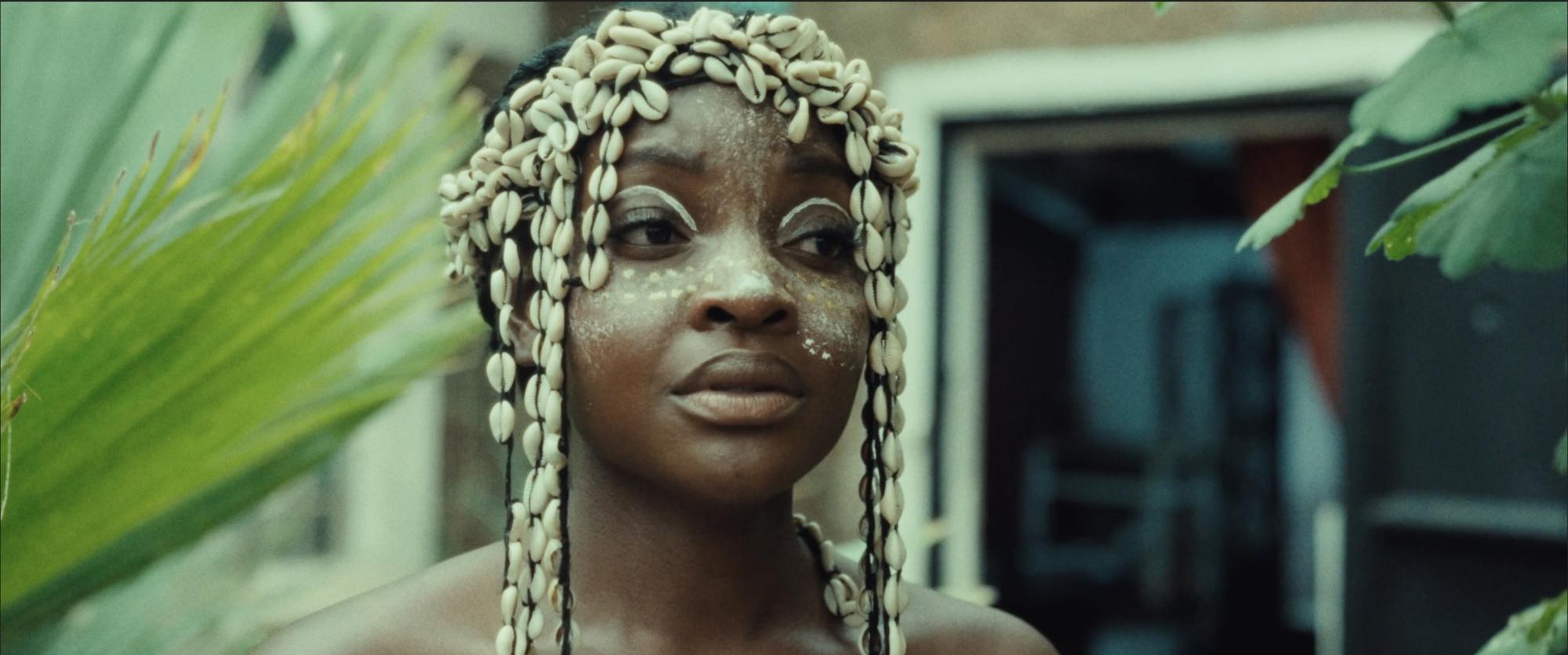
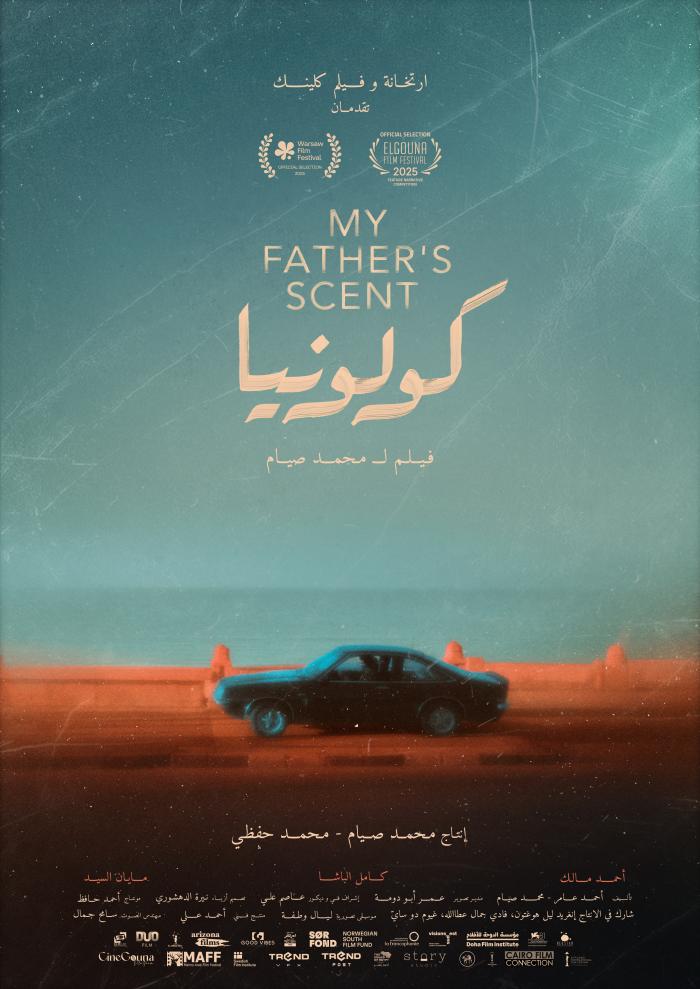
Director: Mohamed Siam
A tense, poetic odyssey unfolds over one night as a father and son confront each other, aiming to settle old scores. Confined to a single apartment, their raw, emotional confrontation quickly escalates, peeling back layers of a fraught relationship. This gripping family drama forces a poignant reflection: if granted one final night with a lost loved one, would you seek vengeance or reconciliation? With powerful performances, the film is a sensitive, intimate and profound exploration of the complex, enduring bond between father and son.
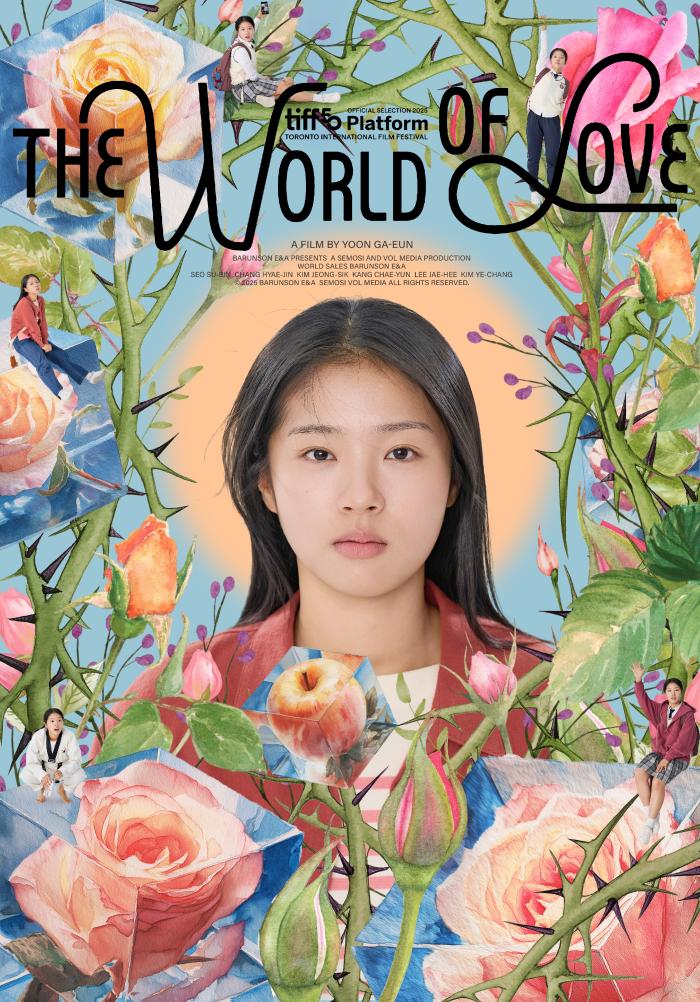
Director: Yoon Ga-Eun
How do we rebuild our sense of self after deep emotional wounds? The World Of Love, the latest from Korean director Yoon Ga-eun, offers a moving portrait of a teenager navigating trauma with unexpected honesty and detachment. Jooin (Seo Su-bin), appears cheerful and outspoken, but her confidence masks a more painful past. Rather than focusing on suffering, the film explores resilience and the subtle power of reclaiming one’s own story. With understated direction and a remarkable performance from Chang Hyae-jin as Jooin’s mother, Yoon brings a lyrical sensitivity to the emotional terrain of family relationships and adolescence. Grounded and quietly courageous, The World Of Love is a deeply human story of survival and the quiet triumph of emotional healing.