







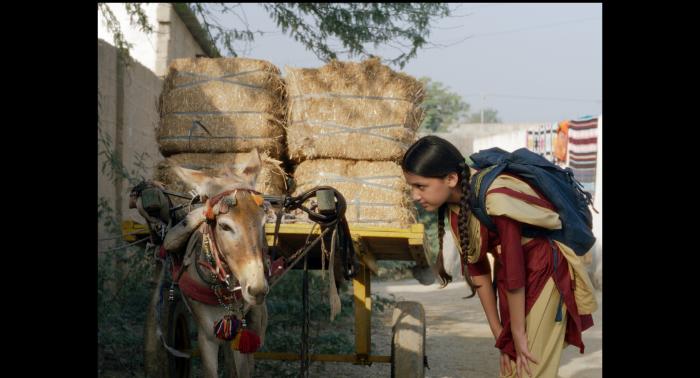
Director: Seemab Gul
This gentle yet arresting debut feature from Seemab Gul centers around 10-year-old Rabia, a clear-eyed, logical-thinking, courageous child protagonist who wants to understand the real reason for the abrupt closure of her school. Rumours start that the school is haunted and her teacher is possessed by supernatural beings. However, her day-long quest for the truth, fuelled by her simple desire for an education, leads her into an adult world that has been plunged into superstition. What soon becomes clear are the machinations behind a corrupt regime and classist society, giving way to the nature of its real victims. Ghost School is a bittersweet portrayal of injustice for Rabia and the hope of a better future for all younger generations.
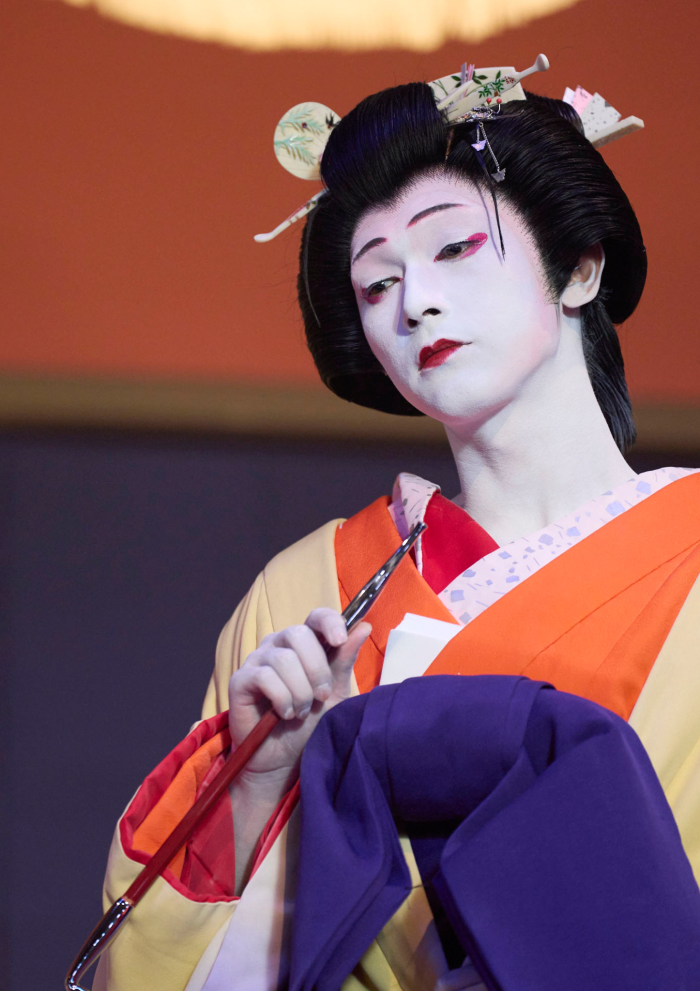
Director: Lee Sang-Il
A box-office hit in Japan, Kokuho is Lee Sang-il’s long-gestating passion project, born from a 15-year fascination with kabuki and the tradition of onnagata: male actors who play female roles on stage. Adapted from a novel by Shūichi Yoshida, the story begins in 1964 Nagasaki and unfolds over five decades, tracing the bond between Kikuo — taken in by a kabuki master after his father’s death — and the master’s son, Shunsuke. Part brotherhood, part rivalry, their connection fuels a sweeping saga of ambition, sacrifice and devotion within a revered theatrical lineage. Starring Ryo Yoshizawa and Ryusei Yokohama, Kokuho is visually sumptuous and emotionally resonant — a powerful meditation on legacy, identity and the high cost of artistic greatness.
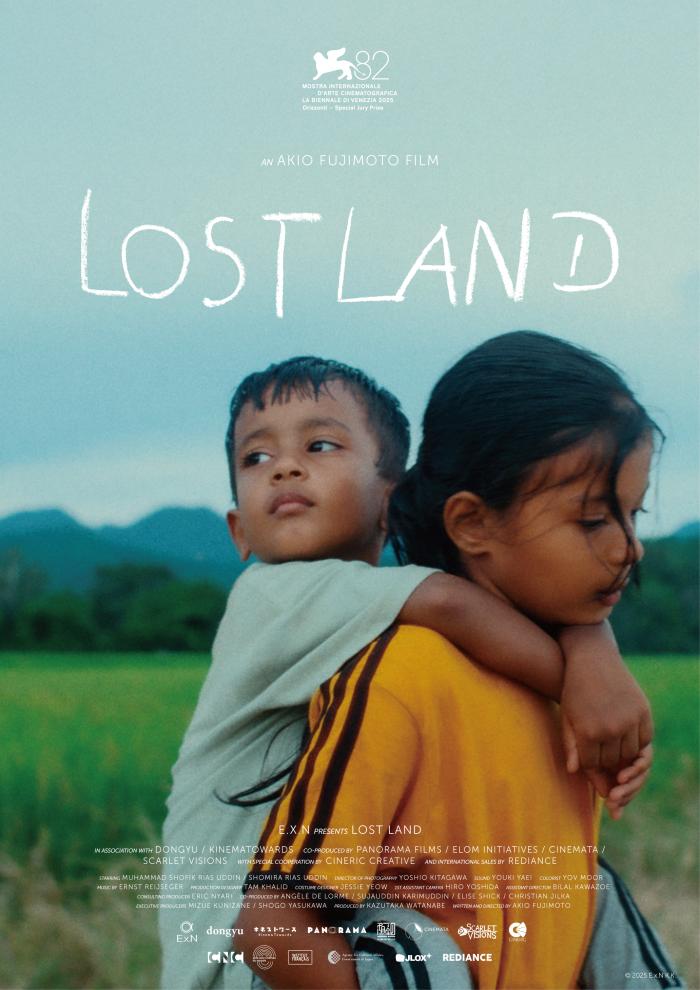
Director: Akio Fujimoto
In this quietly powerful, first-ever Rohingya-language feature, Japanese filmmaker Akio Fujimoto offers a haunting, intimate portrait of two siblings fleeing persecution in Myanmar. With nothing but vague directions and each other, nine-year-old Somira and her younger brother Shafi begin a harrowing journey to join an uncle in Malaysia, crossing borders by sea and land and navigating a world shaped by smugglers, fear and exploitation. With a cast of non-professional actors, most of whom lived refugee experiences, the film blends realism with lyrical restraint. Eschewing melodrama for quiet observation, Fujimoto captures the disorientation of displacement and the uncertainty of fragile hopes. Lost Land is a timely, deeply human reflection on survival, resilience and the Rohingya’s eternal search for a place to call home.