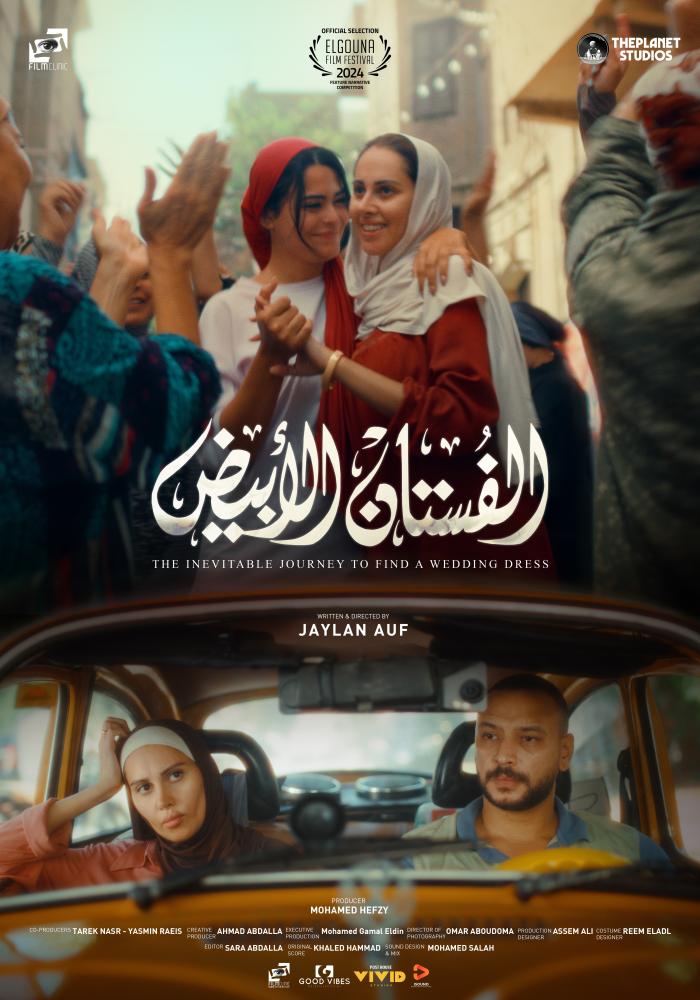
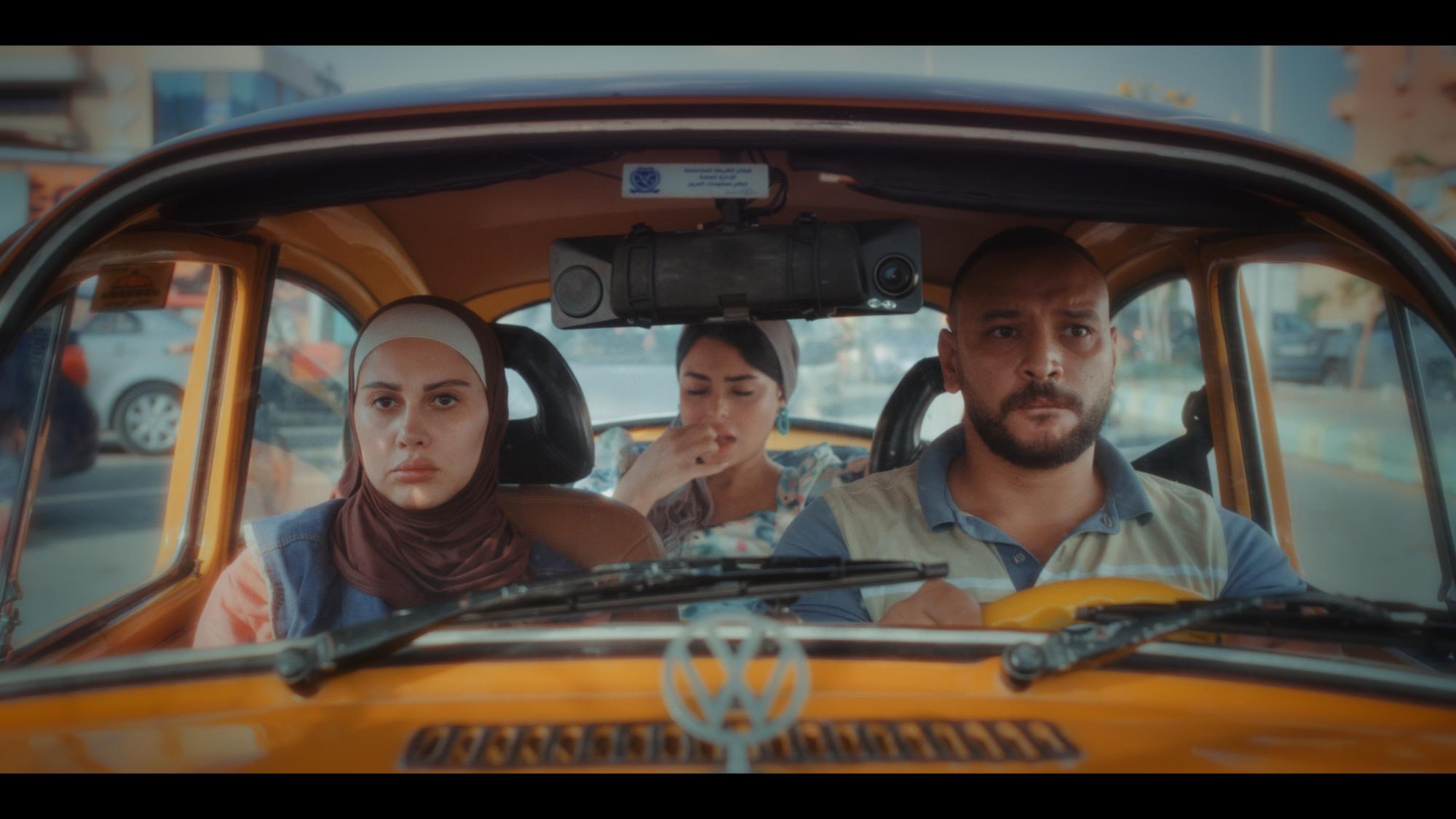
THE INEVITABLE JOURNEY TO FIND A WEDDING DRESS

Other movies
LATE SHIFT
Director: Petra Volpe
Petra Volpe’s salute to caregivers is executed with strength and admiration. Led by a nuanced and meticulous performance from Leonie Benesch, Late Shift is an eloquent plea for compassion, as well as being a gripping story about a day in the life of a hospital worker. Floria (Benesch) is a nurse on an understaffed surgical ward, where she balances the constant demands of her patients — medical and emotional — knowing that every decision she makes (or neglects) could have fatal consequences. Floria, and Volpe’s camera, are constantly on the move to beeping monitors and crash carts in the ward’s confined quarters. As Switzerland’s Oscar submission, Late Shift delivers high drama and a sharp question: who will care for the carers?
KOKUHO
Director: Lee Sang-Il
A box-office hit in Japan, Kokuho is Lee Sang-il’s long-gestating passion project, born from a 15-year fascination with kabuki and the tradition of onnagata: male actors who play female roles on stage. Adapted from a novel by Shūichi Yoshida, the story begins in 1964 Nagasaki and unfolds over five decades, tracing the bond between Kikuo — taken in by a kabuki master after his father’s death — and the master’s son, Shunsuke. Part brotherhood, part rivalry, their connection fuels a sweeping saga of ambition, sacrifice and devotion within a revered theatrical lineage. Starring Ryo Yoshizawa and Ryusei Yokohama, Kokuho is visually sumptuous and emotionally resonant — a powerful meditation on legacy, identity and the high cost of artistic greatness.
LOST LAND
Director: Akio Fujimoto
In this quietly powerful, first-ever Rohingya-language feature, Japanese filmmaker Akio Fujimoto offers a haunting, intimate portrait of two siblings fleeing persecution in Myanmar. With nothing but vague directions and each other, nine-year-old Somira and her younger brother Shafi begin a harrowing journey to join an uncle in Malaysia, crossing borders by sea and land and navigating a world shaped by smugglers, fear and exploitation. With a cast of non-professional actors, most of whom lived refugee experiences, the film blends realism with lyrical restraint. Eschewing melodrama for quiet observation, Fujimoto captures the disorientation of displacement and the uncertainty of fragile hopes. Lost Land is a timely, deeply human reflection on survival, resilience and the Rohingya’s eternal search for a place to call home.