







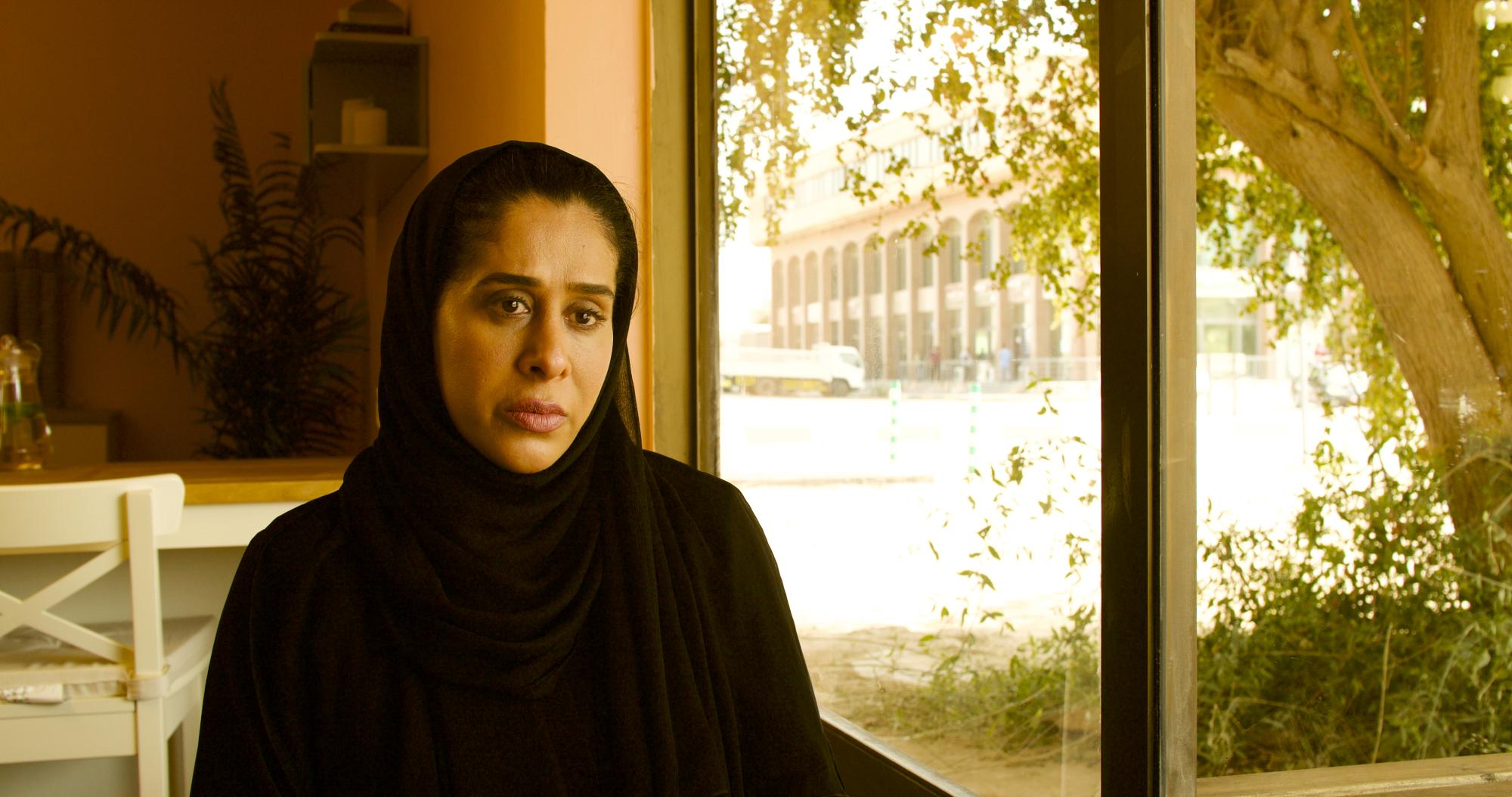

Director: Shahad Ameen
A grandmother and her two granddaughters journey from Taif to Mecca. When the eldest granddaughter vanishes, the two remaining women travel north to find her, with their search highlighting the deep cultural and generational bonds between Saudi women. Set against the backdrop of the Hajj pilgrimage, Hijra portrays the intimate and emotional odyssey of these women, which evolves into a spiritual quest. Their journey carries the weight of an entire heritage and offers an emotional, powerful and insightful look at identity. Shot across eight Saudi cities, the film provides a deep dive into the nation’s rich cultural tapestry. Actress Khairia Nazmi infuses the story with profound emotion due to her strength and energy.

Director: Abu Bakr Shawky
In the summer of 1967 in Egypt, aspiring pianist Ahmed begins a long-distance friendship with Liz, his Austrian pen-pal. Their bond, met with suspicion by relatives, helps drive Ahmed’s pursuit of his dream: to perform in a public concert. As they navigate life’s joys and heartaches, their connection and shared ambition endure through the war, family drama and societal opposition they face in Egypt during the 1980s. The film, like Yomeddine, is infused with the director's distinct personality, showing his talent for creating characters and dialogue that are touching and memorable. This is a vivid and authentic tribute to Egypt, capturing a love story filled with the innocence and ambition of a generation during a key period in Arab history.